
Saturday 10th October 2026
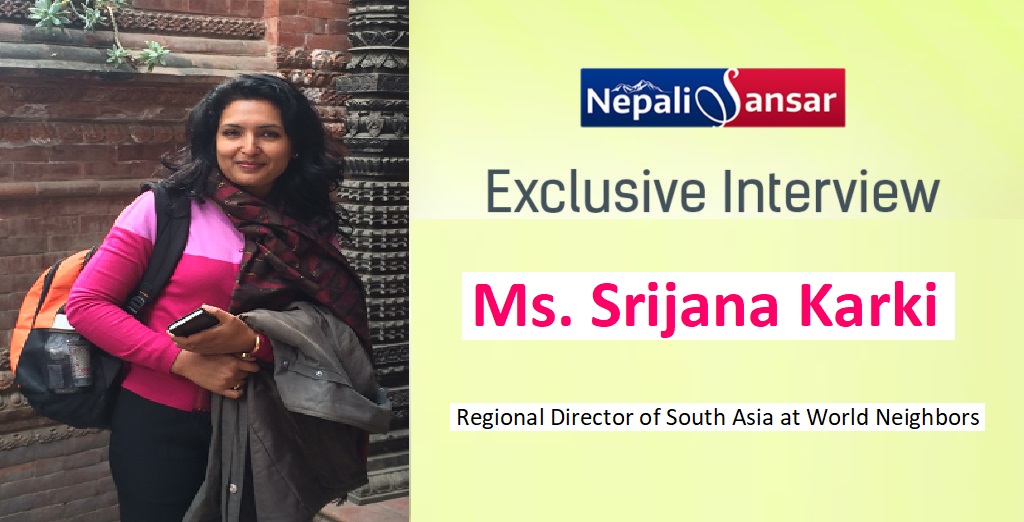
Interview by Sai Nikesh D
Covid-19 crisis has hit every part of the world, disturbing life and living altogether. Governments, NGOs, individuals and more sections of social workers are relentlessly working for public welfare.
In the process, we got in touch with Ms. Srijana Karki, Regional Director of South Asia at World Neighbors (wn.org), to learn the World Neighbors role in fighting the Covid-19 in Nepal and elsewhere.
Here are some excerpts from the interview:
10. NSB: Finally, where do you wish to see the organization’s role in the future, in the global run for safer ecosystem and sustainable living?
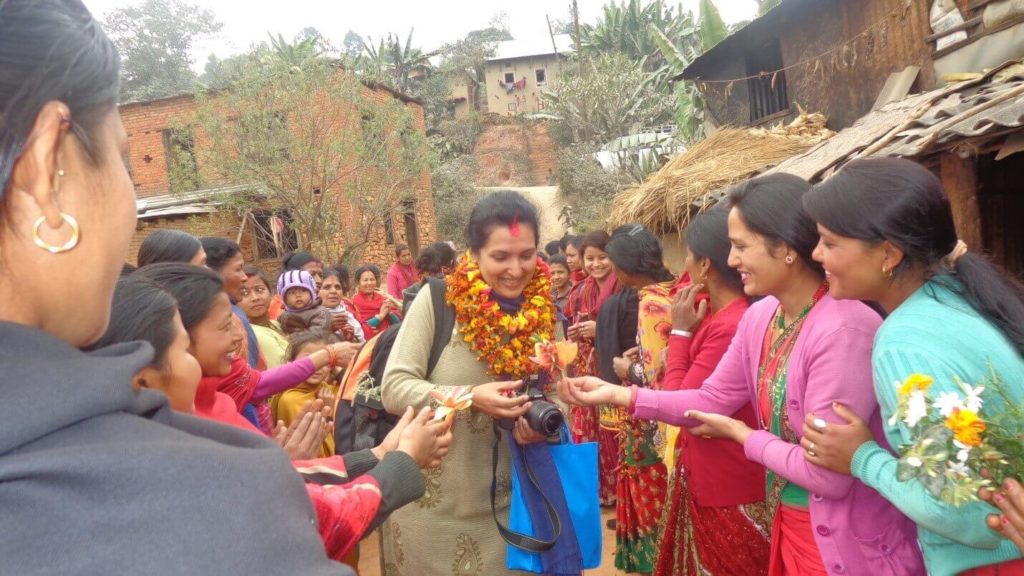
Srijana Karki: Our programs and methodologies are based on the foundation of a holistic approach towards life and living. We promote inclusion while executing our program in rural communities so that they lead the programs while we support them from the back.
As an organization focussing on long-term development, we wish to collaborate more with other like-minded organizations and the local governments for collective efforts towards sustainable solutions and resilient communities.












Leave a Reply